Series Part One – The Scrap Collectors’ Hustle
Edited by : Nurudeen Adebayo
Lagos, Nigeria’s bustling commercial hub fondly called “Silicon Lagoon” for its tech startup revolution has another, less glamorous reputation: Africa’s capital of waste.
With an estimated population of over 17 million, the city churns out a staggering 13,000 tonnes of waste every single day, adding up to more than 5.4 million tonnes annually, according to the Lagos Waste Management Authority (LAWMA).
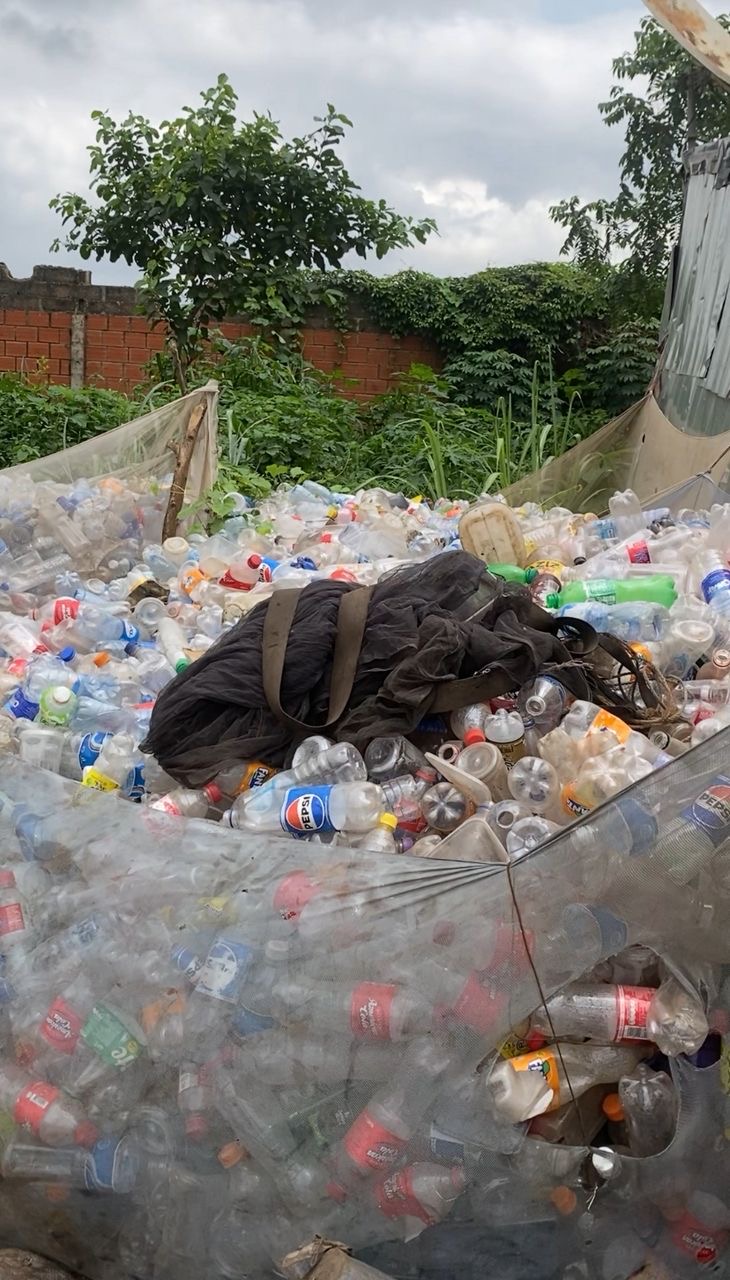
Where does all this refuse go? For many Lagosians, the answer is visible every day illegal dumpsites at street corners, canals clogged with nylon bags, plastics floating in the lagoon, and open drains carrying discarded bottles.
Yet, out of this chaos has emerged a quiet but booming business: recycling.
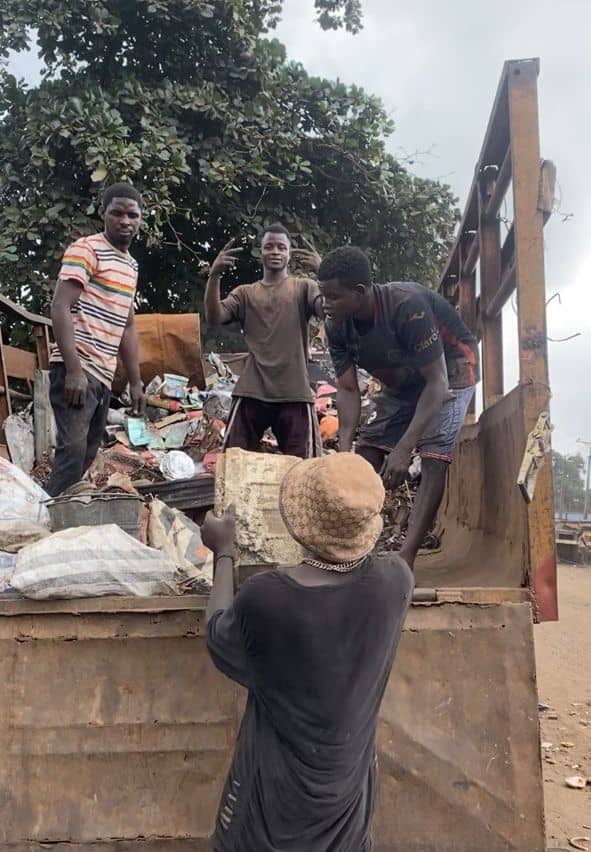
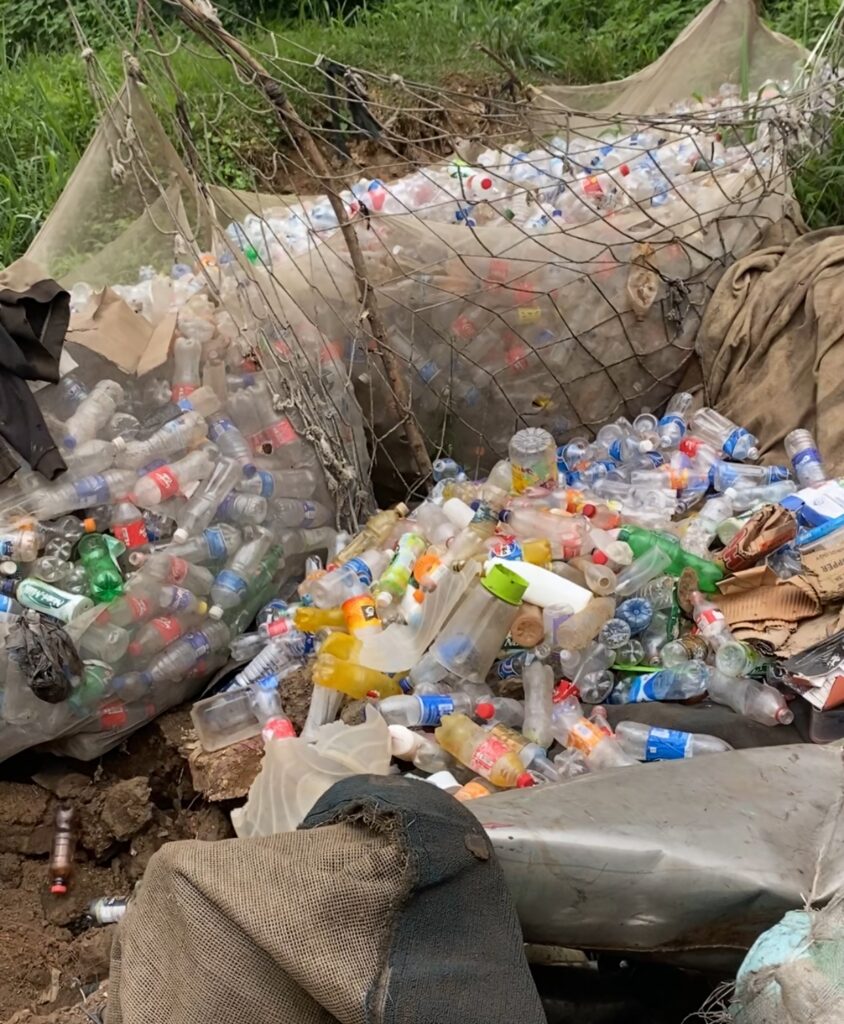
Across markets, streets, and even waterways, a network of scrap collectors armed with sacks, carts, and sheer determination are transforming discarded plastics, irons, cartons, and cans into livelihoods.
For them, what Lagos throws away is not just waste—it is wealth.
“I Make Up to N250,000 in a Day”
At Sabo Market in Ikorodu , we meet Kabiru Suleiman, a wiry scrap collector with quick hands and a scale that rarely rests.
His trade covers plastics, rags, cartons, irons, and nylons. What most Lagosians step over or kick aside, Suleiman sees as cash.
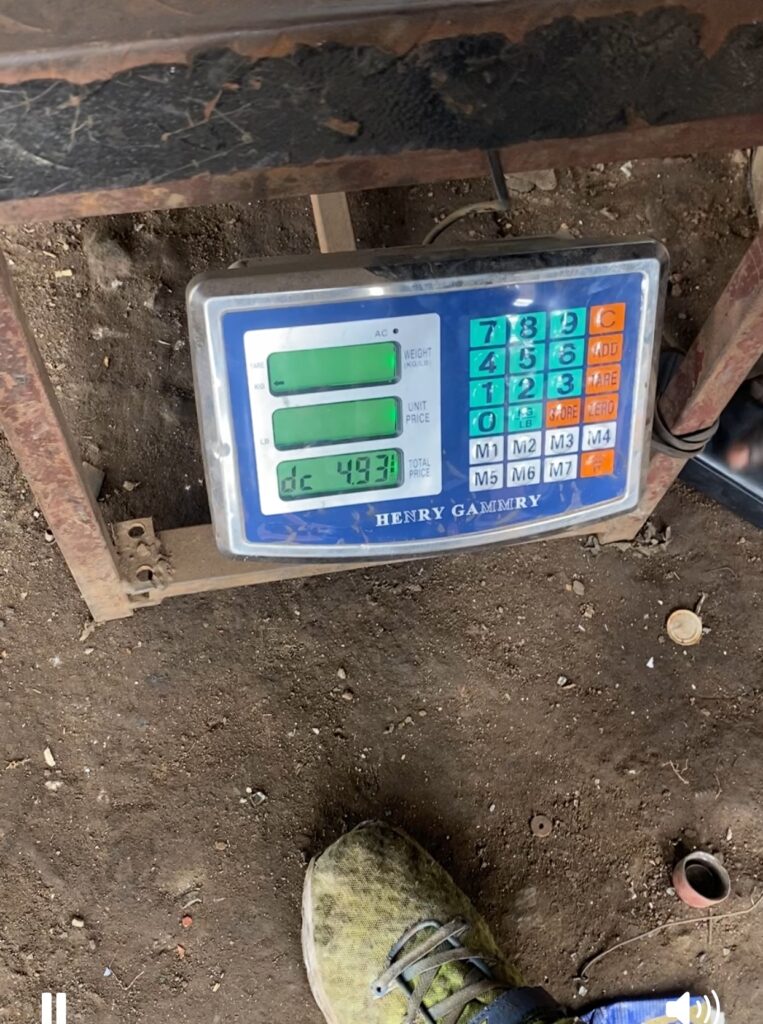
“We measure the scraps here with our scale, then take them to companies in Odogunyan and Itamaga,” he explained, wiping sweat from his brow.
“When we get to the company, the motor is scaled along with the irons to know the combined weight, then the iron is scaled separately. On a good day, I make about ₦200,000 to ₦250,000.”
His earnings may sound unbelievable to outsiders, but in Lagos’ recycling ecosystem, it’s proof that the city’s waste is quietly fueling an underground economy.
“People Don’t Know There’s Money in This Business”
In Odogunyan, P.A., another scrap picker, tells our reporters why he left other hustles for the business of waste.
“I chose this line because there is money in it which a lot of people don’t know. This business is not just about survival; it also helps in keeping the environment clean,” he said, leaning on his cart stacked high with cartons and plastics.
Indeed, recycling has become a double-edged sword of opportunity and impact while it generates income, it also helps reduce the city’s mounting waste crisis.
The Dark Side of the Business
But behind the profits and environmental benefits lies a story of struggle and stigma.
Scrap collectors are often branded as thieves while scavenging for plastics in gutters or picking metals from streets.
Harassment from security operatives is common, with arrests and extortion reported as part of the hazards of the job.
“One of my boys was hit by a motorcycle while picking bottles,” P.A. recalled somberly.
“We had to rush him to the hospital and the medical bills nearly ruined us. People don’t understand ,we are not stealing, we are working.”
Suleiman also highlighted a more dangerous threat: “The police and LAWMA don’t disturb us. But SARS? They arrest us for no reason and only release us after we pay heavily.”
Waste Pickers: Invisible, Yet Indispensable
In the grand chain of recycling, scrap pickers are the foot soldiers ,collecting and sorting what ends up feeding major recycling plants across Lagos. Without them, the city would drown faster under the weight of its own refuse.
Yet, they remain unprotected, underappreciated, and stigmatized.
Experts argue that if properly structured, Lagos’ recycling sector could become a major revenue stream for the state and a pathway out of poverty for thousands.
For now, it is individuals like Suleiman and P.A. who are carrying the load, literally and figuratively.
🔎 Next in this series: Inside the Recycling Companies – How Lagos’ Waste Becomes Industrial Gold