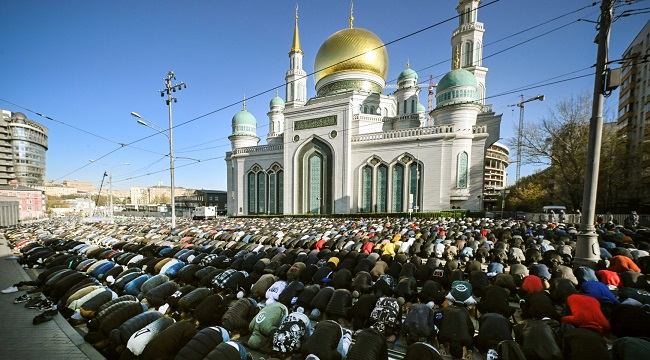
As the thin crescent moon emerges in the evening sky, signaling the beginning of Ramadan, a familiar calm mixed with anticipation settles over Muslim communities across Nigeria.
The ninth month of the Islamic calendar does not arrive with loud celebration, but with quiet reflection a sacred invitation to spiritual renewal, discipline, and devotion.
In Nigeria, the official commencement of the fast is traditionally announced by the Sultan of Sokoto, Muhammadu Sa’adu Abubakar III, who also serves as President-General of the Nigerian Supreme Council for Islamic Affairs.
His declaration, following the sighting of the crescent moon, unites millions of Muslim faithful in a shared act of worship. From bustling cities to quiet rural communities, the announcement marks the beginning of a month defined not just by abstinence from food and drink, but by a deeper journey inward.
For many believers, preparation begins long before the first day of fasting. Mosques witness increased attendance. Homes echo with recitations of the Qur’an.
Individuals renew their intentions, seek reconciliation with estranged friends and relatives, and reflect honestly on their character. Ramadan demands more than hunger; it calls for self-discipline, patience, and a conscious effort to purify both heart and conduct.
“Ramadan is not only about staying away from food and water,” says a cleric in Lagos. “It is about reflection, discipline, and heightened devotion. It is about becoming a better version of yourself.”
Across markets in Kano, Ibadan, and Abuja, traders anticipate a surge in economic activity. Stalls brim with grains, fruits, vegetables, and spices as families prepare for sahur (pre-dawn meal) and iftar (breaking of fast). Increased patronage often comes with rising prices, particularly for pepper and seasonal fruits.
For many households, careful budgeting becomes essential as they balance spiritual obligations with economic realities.
Yet amid the commercial bustle, the spirit of generosity remains central. Ramadan amplifies the importance of charity.
Privileged Muslims are encouraged to set aside their zakat (obligatory almsgiving) early, ensuring it reaches those in need in time to ease their burdens. Beyond zakat, acts of sadaqah voluntary charity flourish. Community feeding initiatives expand.
Mosques distribute meals at sunset. Neighbours quietly support one another.
In the evenings, the atmosphere transforms.
Families gather around modest meals, sharing dates and water before the Maghrib prayer. The rhythm of daily life shifts nights lengthen with additional prayers, Qur’anic recitation, and quiet supplication.
Ultimately, Ramadan stands as more than a ritual observance. It is a spiritual training ground a month that nurtures patience, encourages kindness, and strengthens faith. It challenges believers to carry its lessons beyond thirty days, leaving a lasting imprint on their lives and communities.