Series Part One
Kekere and Chibike: Hustlers of Ikorodu Streets
Edited by : Nurudeen Adebayo
On the restless streets of Ikorodu, Lagos, where every sound tells a story of survival, children and traders weave their way through the chaos in search of daily bread.
Two teenage boys weave their way through crowds, balancing responsibilities far heavier than their youthful shoulders should bear.
Kekere and Chibike, two young migrants from Abakaliki, Ebonyi State, who left home with little more than determination and a hunger for survival.
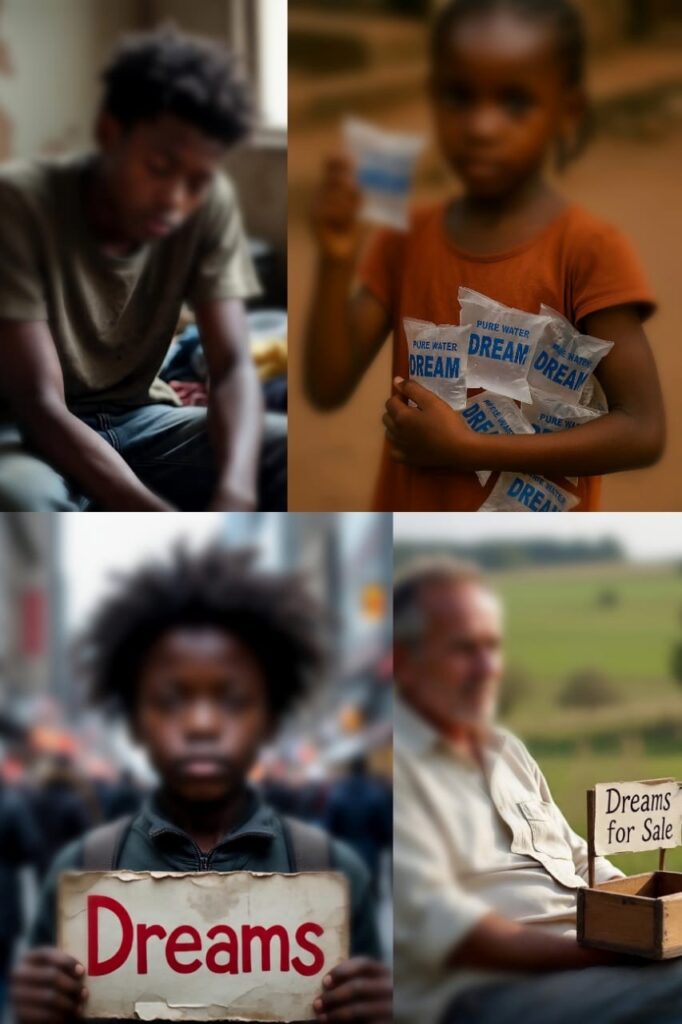
At just 19, they work as sales assistants in a chain of frozen food shops scattered across Ikorodu.
Their lives revolve around uncertainty.
“You no know say sometimes market no dey, but if market dey, we dey sell well well,” Chibike said with a smile that masked the weight of his struggles.
They have no fixed salaries, only the promise of their boss: one day, he will help them set up shops of their own. Until then, their dream remains suspended in the air, like the aroma of smoked fish that floats around their stall.
Living With Stigma, Pushing Through Struggles
For Kekere and Chibike, survival is a delicate balance between hope and hardship.
Customers’ demands often come with insults; the boys have endured verbal abuse but remain resilient.
“I no mind when dem insult us,” Kekere shrugged. “We just wan make something of ourselves.”
They are not in school formal education ended for them after primary level.
The dream of returning to the classroom feels distant, almost impossible. Instead, they hope for financial support to begin small businesses of their own.
It is this mix of reality and ambition that makes them part of a bigger narrative the story of Nigerian children who must sell today to buy tomorrow.
Series Part Two
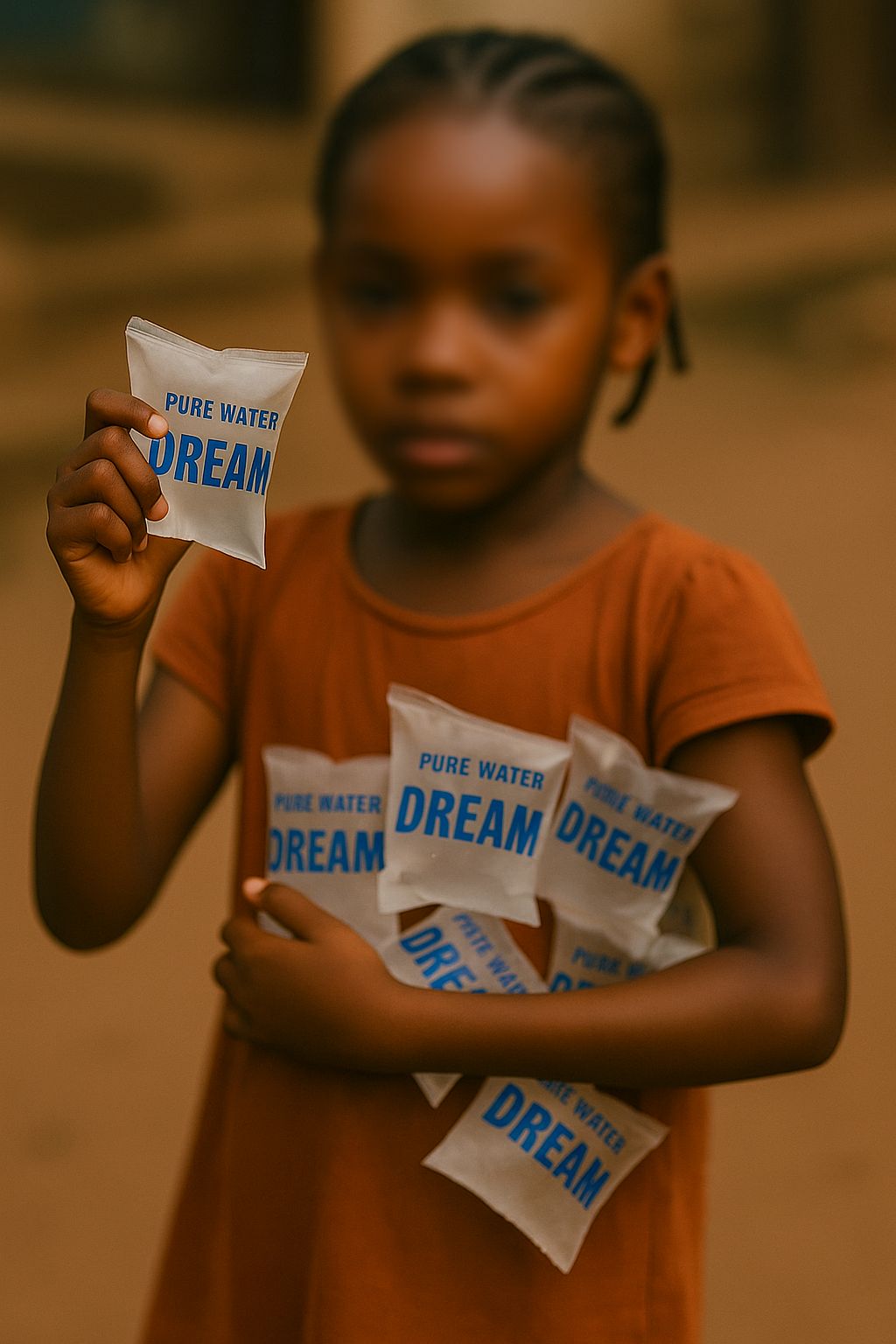
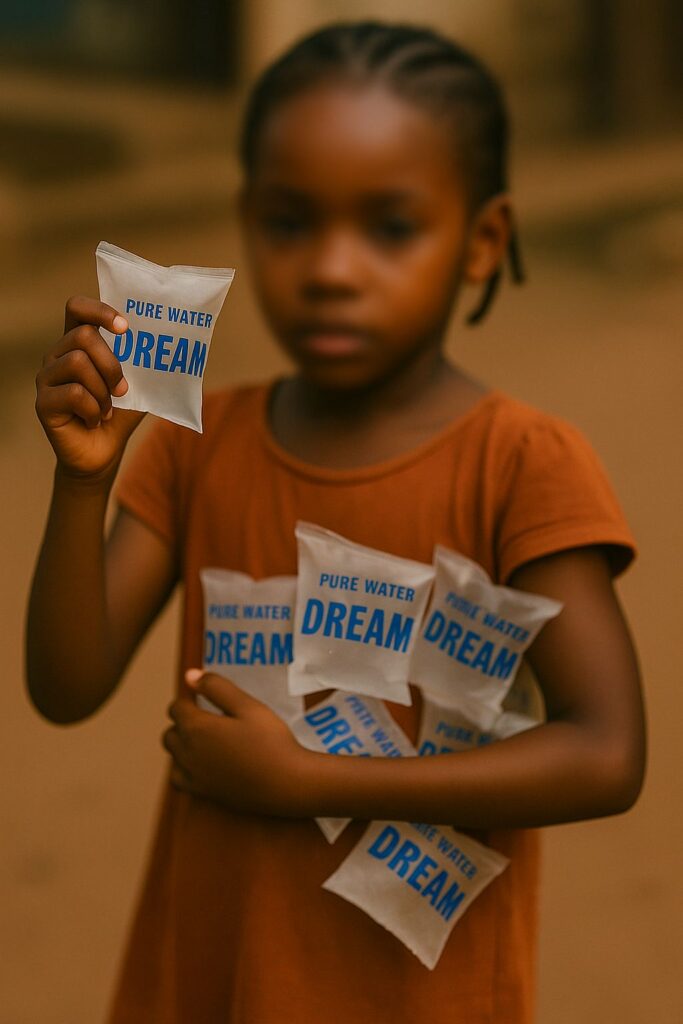
Precious: The Girl with the Tray of Pap
At dawn, while most teenagers are still in bed, Precious, a 13-year-old girl, begins her daily journey with a tray of steaming pap balanced on her head.
She has been at it since she was eight years old. Her grandmother, who she lives with, prepares the pap, while Precious navigates the crowded streets, calling out to customers.
Some days are profitable. Other days, she returns with unsold pap and with bruises, because customers often take goods on credit, leaving her to face punishment at home.
“It’s always stressful going around in the hot sun,” she confessed. “I always feel so tired everyday whenever I get back home.”
But within Precious is a quiet yearning. Unlike Kekere and Chibike, she dreams of returning to school.
“I would still love to go back to school because I stopped school ever since I started hawking pap,” she said, her eyes betraying a longing far deeper than her words.
Series Part Three –
Sekinat: The Akara Seller With Big Dreams
In the capital city of Abuja, by the crack of dawn, Sekinat stands beside her mother’s frying pan, oil splattering, smoke rising, and the heat from firewood stinging her face.
She has done this since she was six years old.
Now 18, selling akara has become her entire world. For twelve years, she has measured her life in beans, firewood, and customer change.
“It’s always very stressful sha, but we thank God,” she said, wiping sweat from her forehead.
Though the business sometimes yields ₦30,000 to ₦40,000 a day, the money does not erase her frustrations.
“They look at us like we don’t matter,” she revealed. “They’ll even talk to us rudely and expect us not to react because they are customers.”
Yet behind her akara stand lies another identity—Sekinat is a hair stylist and nail technician.
Her real dream is not just to fry bean cakes but to build a business of her own.
“I want to have my own shop and be my own boss,” she concluded firmly.
Sekinat, like Precious, Kekere, and Chibike, embodies the essence of the series: children whose present is defined by survival but whose hearts are stubbornly set on a brighter future.
Epilogue – Selling Today, Dreaming Tomorrow
From Lagos to Abuja, these children carry more than trays of pap, cartons of frozen food, or pans of akara. They carry dreams.
Dreams of a future where they no longer hawk under the sun, no longer bend under the weight of trays, and no longer endure insults from strangers.
These are not just children who sell goods.
They are children who sell dreams.

A future where their stories move from survival to success.