Billionaire businessman Femi Otedola has urged members of the Depot and Petroleum Products Marketers Association of Nigeria (DAPPMAN) to embrace innovation and adapt to the new realities brought about by the Dangote Refinery, warning that failure to do so could render their businesses obsolete.
In a statement addressing the ongoing dispute between DAPPMAN and the refinery, Otedola described the $20 billion facility as a “historic leap” for Nigeria’s oil sector and a turning point for the economy.
He praised Aliko Dangote for achieving what he called “energy independence for Nigeria”, stressing that while some vested interests may resist the changes, such resistance is only temporary.
“History has shown time and again that change can only be delayed, never stopped,” Otedola said.
Recalling his role in founding DAPPMAN in 2002, Otedola explained that the association was created to challenge the dominance of major marketers and give independent depot owners a voice. However, he noted that the industry has evolved significantly since then, with many players exiting the market and others holding on to outdated infrastructure.
Otedola highlighted how Zenon Oil, which he founded, helped modernize diesel distribution in Nigeria by building depots to store imported products at a time when the market relied heavily on imports.
“Today, with Dangote Refinery fully operational, those gaps no longer exist. Nigeria now has efficient, reliable, and proudly local supply,” he stated.
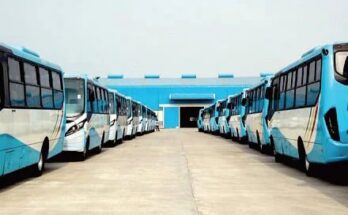
He further pointed out that the refinery is not just producing fuel but also modernizing distribution logistics with 8,000 CNG-powered trucks, replacing the aging fleet used by many operators.
Dismissing claims that depots are major job creators, Otedola said a typical depot employs only a handful of people compared to filling stations, which generate more employment. He encouraged DAPPMAN members to invest in last-mile retail outlets or explore new value chains rather than clinging to outdated business models.
“DAPPMAN had its place, but today, its relevance is fading. The refinery is not the problem—it is the solution,” he emphasized.
Otedola also opposed calls for the Dangote Refinery to pay ₦1.5 trillion to subsidize depot operations, arguing that such costs would ultimately fall on Nigerian consumers. He compared the current transformation to the cement industry, where local production replaced import-driven practices.
The businessman urged marketers to consider selling, restructuring, or acquiring local refineries such as Port Harcourt instead of resisting inevitable change.
He praised President Bola Tinubu for deregulating the downstream sector, describing it as a bold move that dismantled entrenched rent-seeking, subsidy fraud, and smuggling networks.
“Over ₦2 trillion was siphoned through fraudulent subsidy claims under the Jonathan administration, mostly tied to depot licenses. I personally warned the President at the time that he was being misled,” Otedola revealed.
Ending on a lighter note, he congratulated Dangote for his monumental achievement:
“Africans are proud of you, my dear brother Aliko. You can now go to Monaco and rest jejely like me—you’ve truly earned it.”