Beyond producing refined fuel, Aliko Dangote emphasized that the Dangote Refinery is playing a far greater role as a catalyst for Nigeria’s broader industrialisation.
He called on the Federal Government to take active steps in discouraging the dumping of cheap foreign goods in the country, warning that an overreliance on imports leads to job losses and deepens poverty. “Other nations were not industrialised by outsiders. We must build and industrialise our own economies,” he said, pointing to the collapse of Nigeria’s once thriving textile industry as a cautionary tale.
Looking ahead, Dangote revealed plans to expand the refinery’s capacity to 700,000 barrels per day in its second year of operation. He also outlined his ambition to make Nigeria Africa’s leading refining hub and a global powerhouse in fertiliser and polypropylene production.
“These initiatives will generate substantial foreign exchange, create employment, and stimulate growth in other sectors,” he stated.
While acknowledging opportunities to venture into the retail market, Dangote reiterated that the refinery will not acquire filling stations, opting instead to collaborate with existing downstream stakeholders. He expressed gratitude to the Federal Government, regulators, and the Independent Petroleum Marketers Association of Nigeria (IPMAN) for supporting the refinery’s distribution framework.
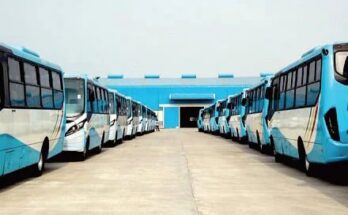
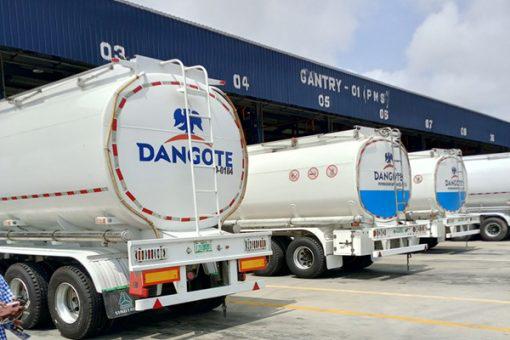
Dangote also presented newly deployed Compressed Natural Gas (CNG) trucks, assuring the public that government agencies and security operatives are fully committed to safeguarding the drivers and infrastructure.
“The refinery is not just about fuel; it’s about building a stronger economy, creating jobs, and positioning Nigeria as an industrial leader,” Dangote concluded.