A Feature Series on Poverty, Survival, and Lost Childhoods in Nigeria
Part One – A Classroom in Smoke
Every morning, children in Lagos and across Nigeria march into classrooms with books tucked under their arms.
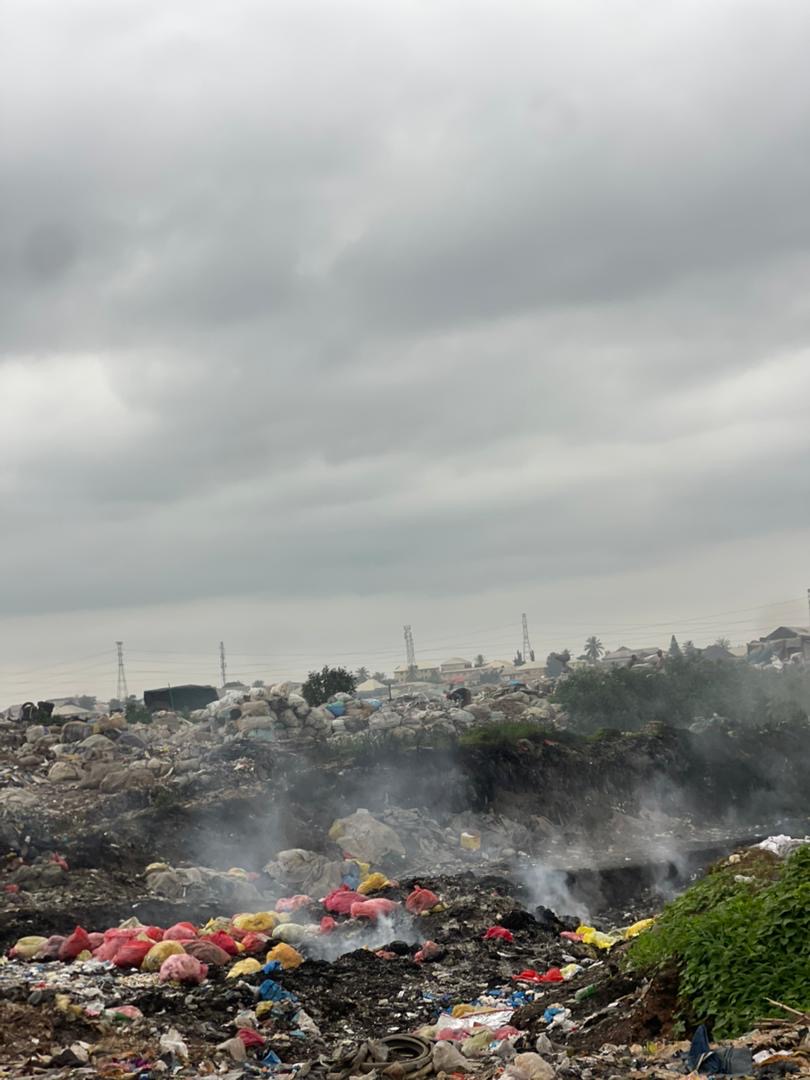
But at the Elepe dumpsite, another group of children step onto a different kind of classroom one filled with smoke, broken bottles, rusted tins, and sharp metals.
They carry sacks almost bigger than their bodies, moving across heaps of waste in search of scraps they can sell or, in some cases, eat.
One young boy, his eyes fixed on the ground as he scavenged, told us quietly:
“I don’t have a father. I stay with my mom in a small room. I walk around to pick iron, metals, tin and cans to sell at this dumpsite. Sometimes I go home with ₦500, but I earn more on good days.”
For these children, survival has replaced education. The dumpsite has become their school.
Part Two – Health on the Edge
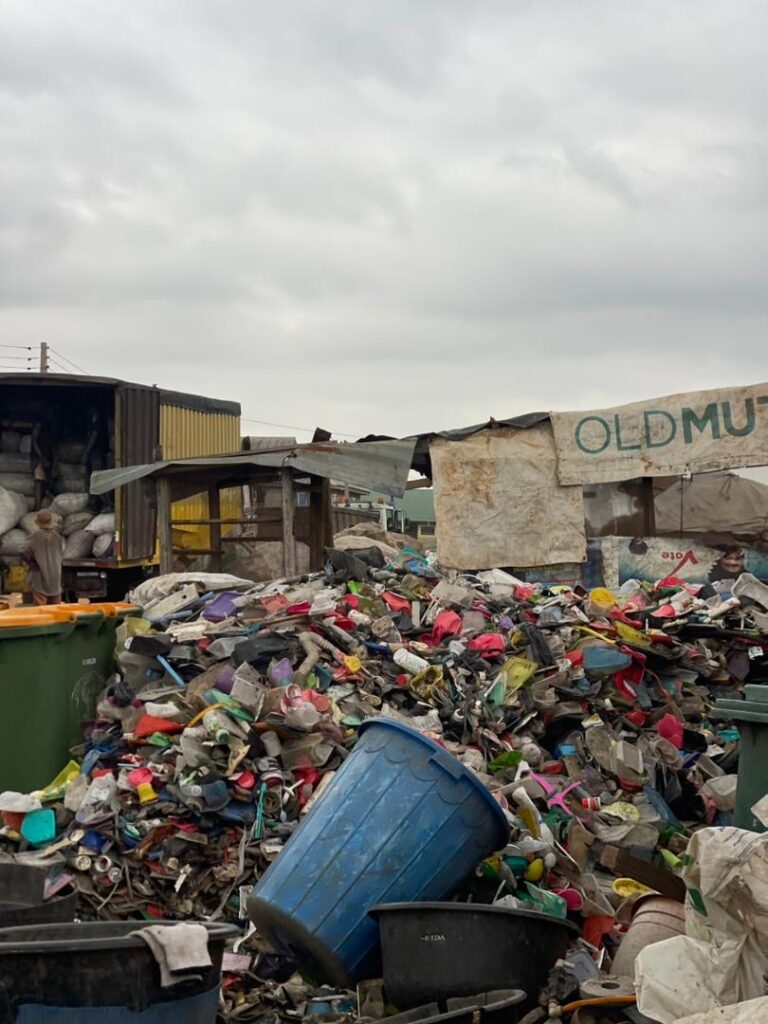
The danger of working in dumpsites goes beyond cuts and bruises.
Medical experts warn that daily exposure to toxic smoke and hazardous waste can lead to chronic respiratory diseases, skin infections, and even long-term developmental problems in children.
Children inhale thick smoke from burning rubbish, risking damaged lungs. They handle contaminated waste with bare hands, opening the door to cholera, tetanus, and hepatitis.
Teenager Miss Oyinlola, who also works at the Elepe site, expressed her concern:
“One thing I would want to change about this dumpsite is for the staff or workers to stop bringing their children here. It is too dangerous for their health.”
Part Three – The Price of Poverty
Behind every child scavenger lies a story of poverty, absence, or survival struggles.
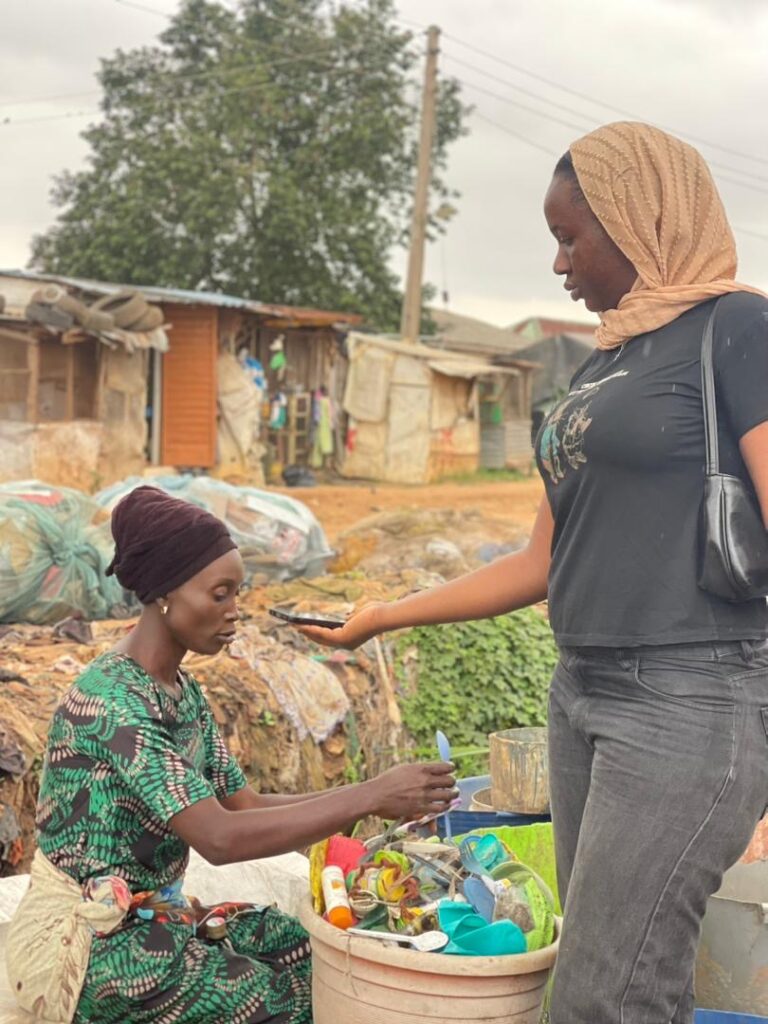
Mrs. Kehinde Jimoh, who has worked at the dumpsite for three years, explained:
“I pick plastics and bottles. I work here because I don’t want to go into illegal things. What I would love to do is sell clothes and bags. I really want the government to assist me in any way they can because I have children to feed.”
Middlemen exploit the scavengers, buying recyclables for a fraction of their value. Children return home with small sums sometimes just enough for food, but never enough for school fees.
Part Four – A Future in Jeopardy
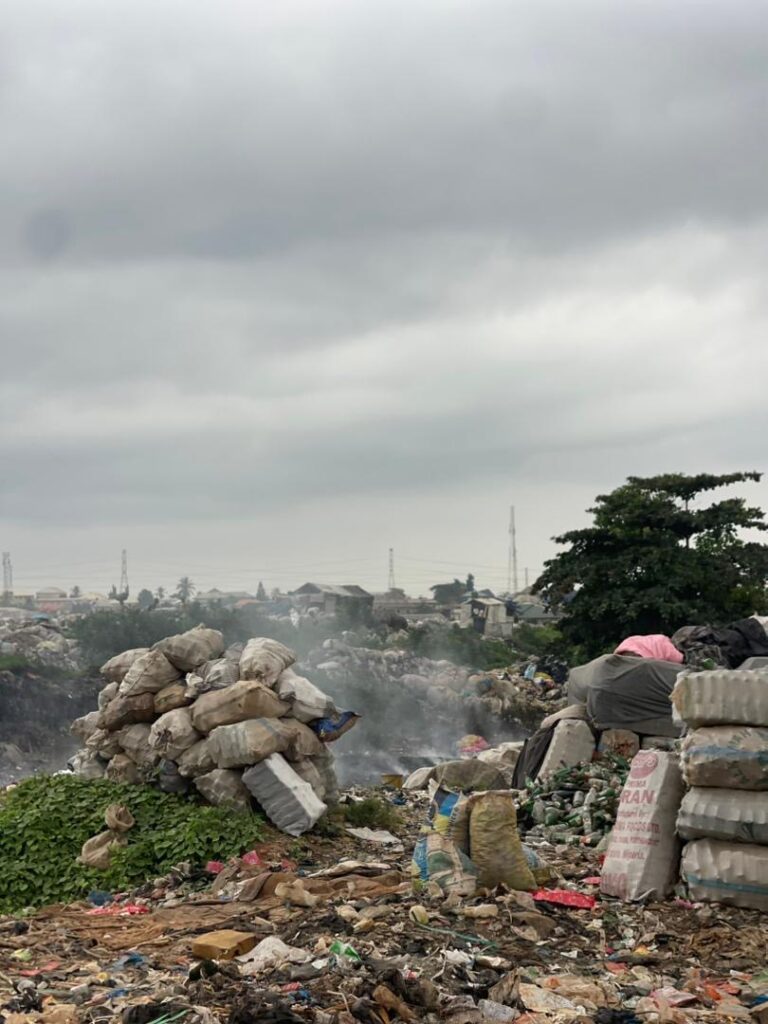
According to UNICEF, millions of Nigerian children are out of school. Those who spend their days scavenging at dumpsites form a hidden fraction of that statistic.
Every year out of school pushes these children further away from education. Many will never return to the classroom. For them, the future narrows into a cycle of poverty from child scavenger to struggling parent.
If nothing changes, Nigeria risks raising a generation of adults without education, without health, and without hope.
Part Five – The Way Out
The children of dumpsites cannot rescue themselves. Their future depends on intervention from government, organizations, and the community.
Possible solutions include:
- Free and accessible primary and secondary education.
- Feeding programs in schools to ease the burden on parents.
- Community awareness campaigns against child labor at dumpsites.
- Empowerment of parents through small business support and vocational training.
Because these children are not “other people’s children.” They are our society’s children. Tomorrow’s leaders, tomorrow’s workers, tomorrow’s parents.
Allowing them to grow up in waste endangers not just their lives but also Nigeria’s future.