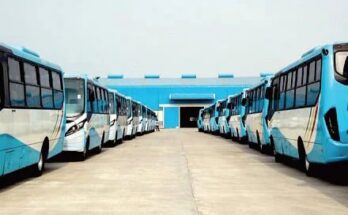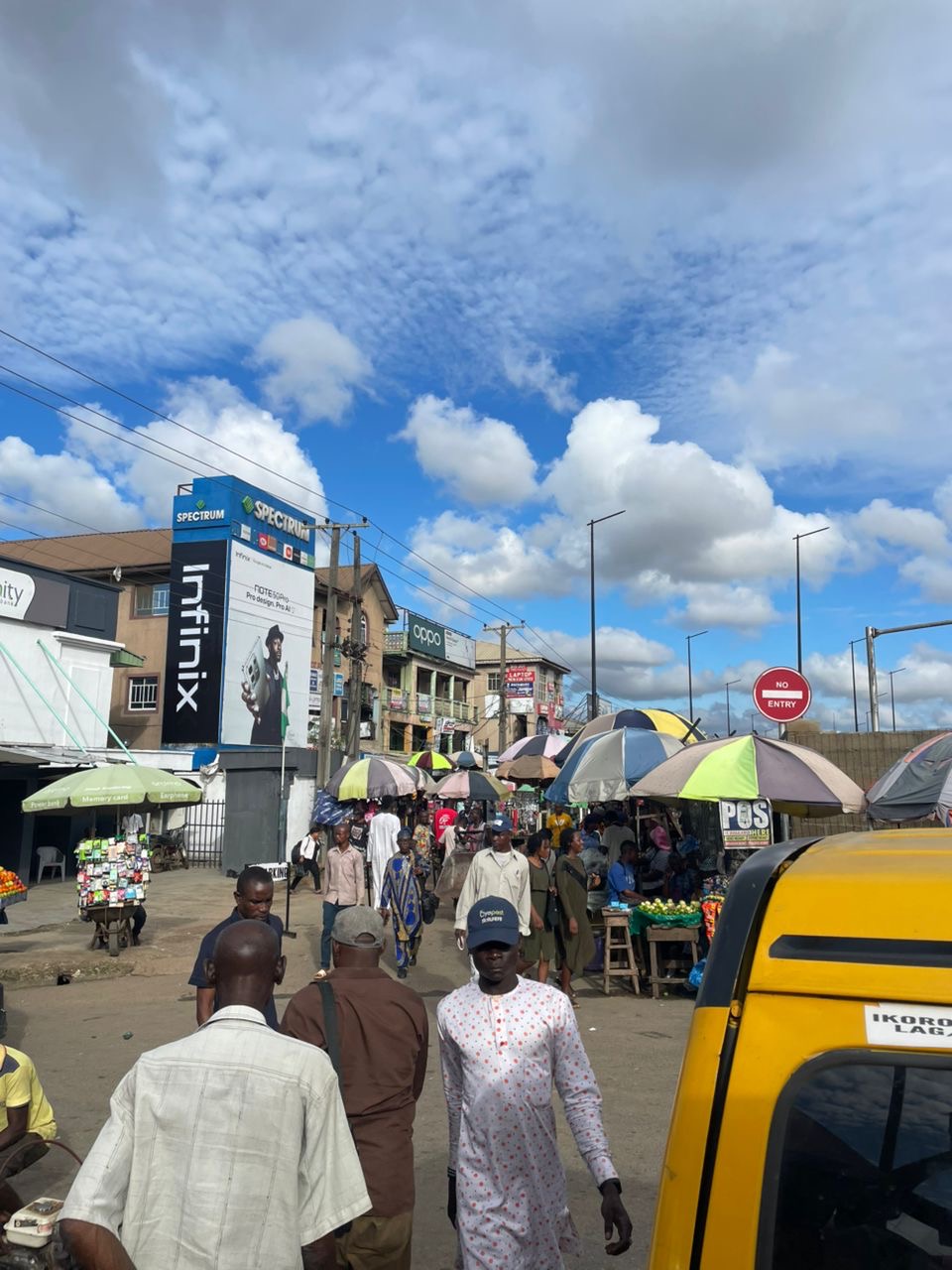

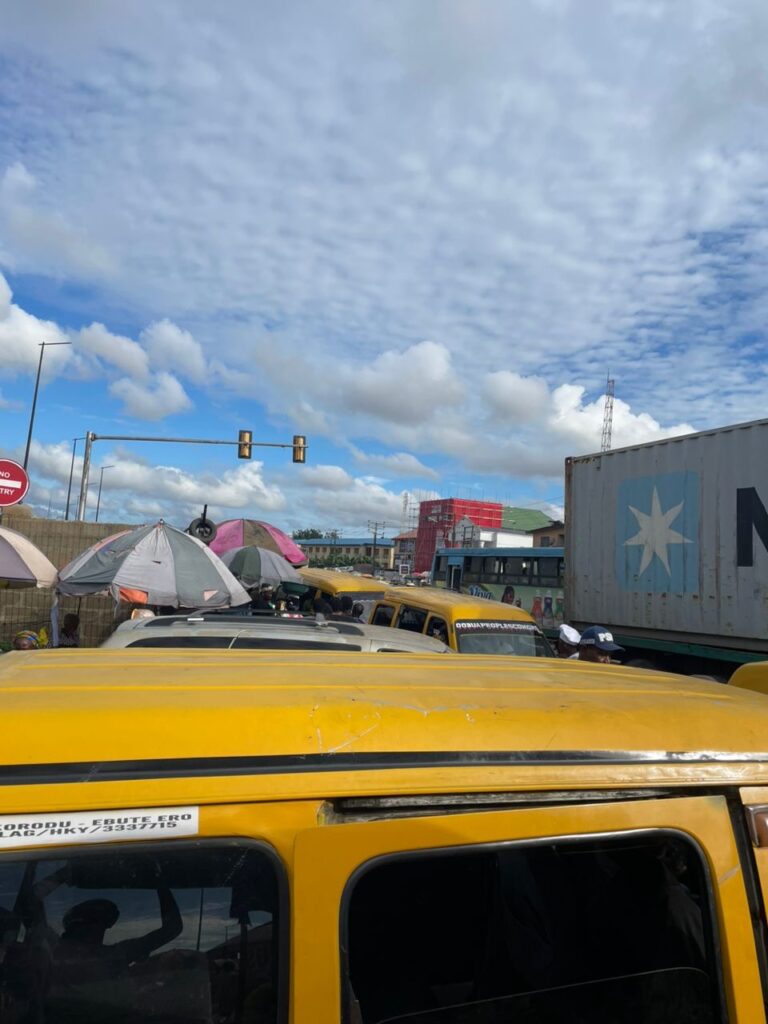
At sunrise, Ikorodu awakens in a familiar rhythm. Yellow buses blare their horns, traders call out prices, long queue at the Brt buses and the aroma of roasted corn lingers in the air. The town pulses with life vibrant, noisy, and unrelenting.
But beyond the rush lies a quieter story one that rarely makes the headlines. It is the story of women whose dreams are paused; women balancing ambition and survival in a community that often looks past their struggles.
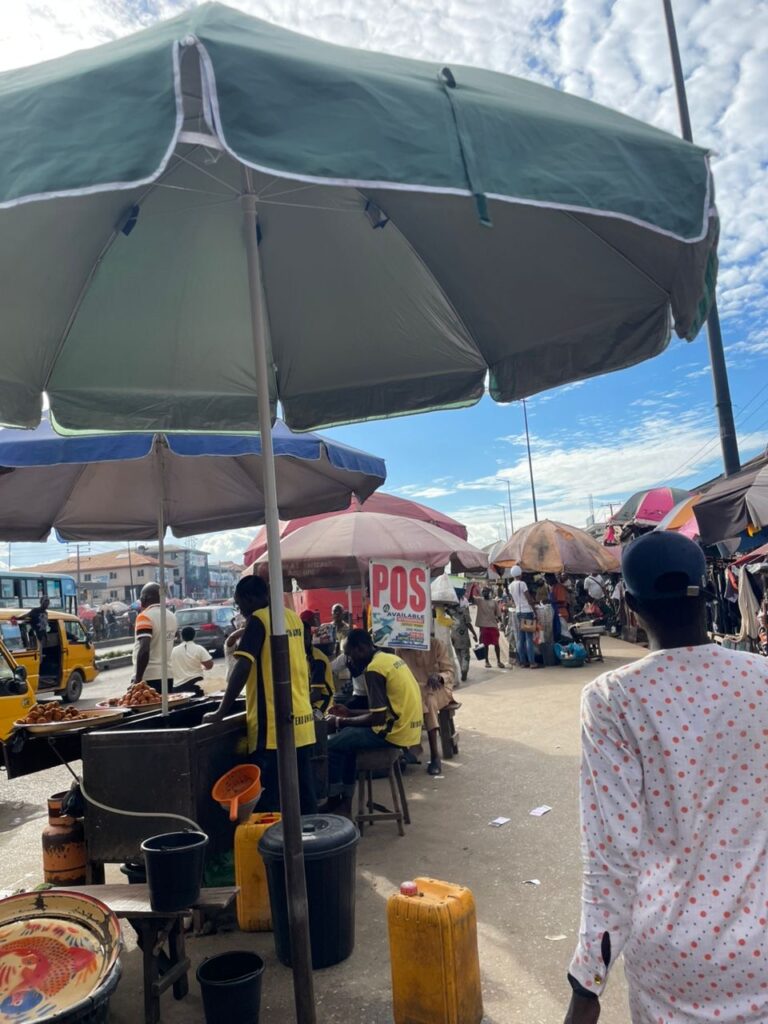
For many, unemployment isn’t just a statistic it is a daily test of endurance. Some are graduates clutching certificates that open no doors, others are mothers running small businesses despite rising costs and dwindling profits.
Yet, they remain hopeful, echoing the popular phrase, “Wetin man go do?”
“I’ve sent my CV to more than twenty organizations,” said Mariam, a 25-year-old Business Administration graduate.
“They always promise to call back, but they never do. Most times, a man gets the job instead or they say I’m not qualified enough.”
Across Ikorodu, women like Mariam continue to hope, even as they find themselves trapped in a cycle of rejection and resilience determined to succeed in a system that seldom plays fair.
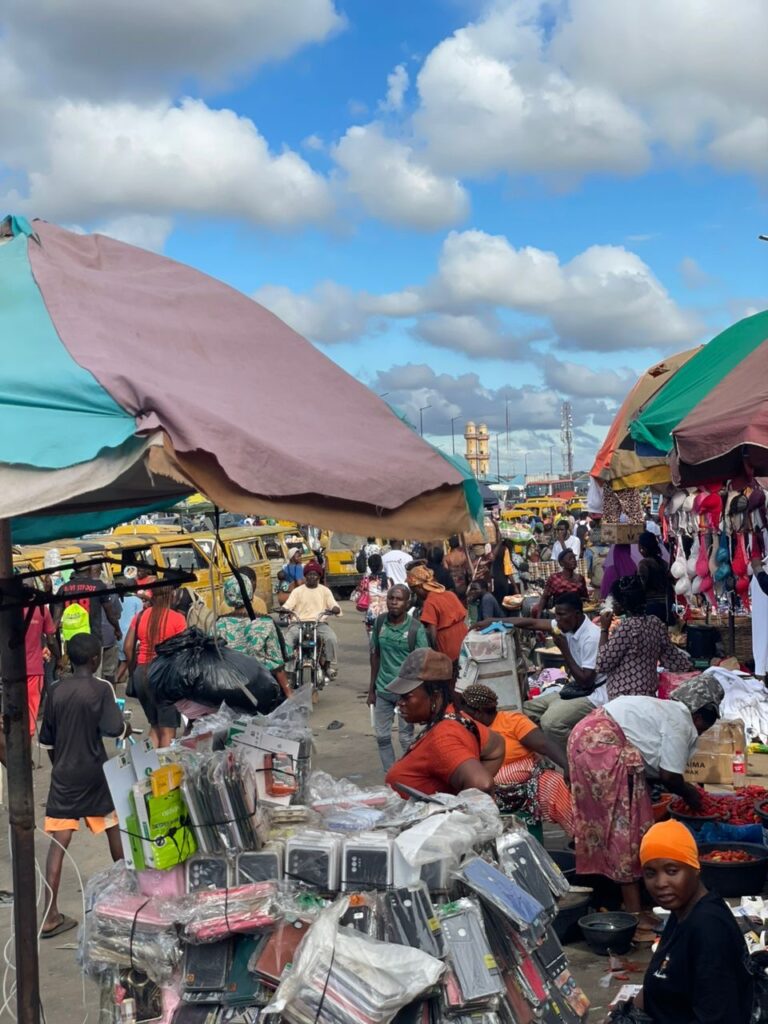
In Ikorodu, “hustling” isn’t just about chasing dreams it’s about staying alive. Every corner tells a story of survival: young men doing manual jobs, women selling food or clothes under the hot sun, and graduates turning to small online ventures just to get by.
Blessing, a 27-year-old sociology graduate, shared her frustration. “I finished NYSC and thought I’d get a job quickly,” she said. “Two years later, I’m still at home. I started baking to make ends meet, but things are expensive and customers complain.”
For Gbemisola, a 20-year-old student, survival has been a daily hustle. “I worked in a club as a PRO it was stressful, but I had no choice,” she said. “I later stopped and started selling clothes online. I just need to pay my school fees.”
Ikorodu is full of educated but jobless youths.
Lagos may be called the city of opportunities, yet many young people here feel stuck.
Job openings are scarce, and when they appear, employers prefer candidates with years of experience or personal connections.
Tunde, 29, now drives a tricycle (keke) to survive. “Sometimes I wonder why I went to school,” he said. “But I can’t just sit at home.”
Beyond empty pockets, unemployment takes a toll on people’s confidence and mental health. For women, that burden is often doubled.
Women face two battles one against unemployment, and another against gender bias.
“Some employers don’t take women seriously,” Mariam lamented. “You apply, but they never call back. Then you hear a man got the job.”
Some women also encounter sexual harassment while job hunting. “One man told me to meet him privately if I wanted the job,” said Aisha. “I walked away. Since then, I’ve been selling hair extensions to survive.”
Cultural beliefs add another layer of difficulty. In some families, women are expected to marry early or support male relatives instead of building careers of their own.
Still, many refuse to give up. From selling thrift clothes and cooking local meals to learning makeup and tailoring, women continue to push through the odds.
“We don’t wait for anyone anymore,” said Bimbo, a makeup artist. “We just keep going, even when it’s hard.”
Despite the challenges, women in Ikorodu are finding creative paths to empowerment.
Some start small businesses with little capital, while others form savings groups or use social media to grow their brands.
Titi, a 24-year-old Mass Communication graduate, began selling thrift clothes on Instagram after months of failed job applications.
“I started with just ₦5,000,” she said. “Now, I get orders every week. It’s not much, but it gives me purpose.”
In Igbogbo, Bimbo runs a small training class for girls, teaching makeup and basic business skills.
“Most of them have lost hope,” she explained. “But once they start earning, they believe in themselves again.”
Across Ikorodu, women are forming cooperative societies, thrift clubs, and online groups where they share ideas, job leads, and encouragement.
“When one woman succeeds, she helps others,” said Kemi, who runs a small food stall at Mile 12. “That’s how we survive.”
Community leaders and advocates believe more needs to be done to support women and youths in Ikorodu.
“The issue isn’t laziness,” said Mrs. Oduwole, who works with a local NGO. “It’s lack of access. Once women get proper training and funding, they can do amazing things.”
Although Lagos State has introduced several youth empowerment programs, many residents of Ikorodu say they haven’t benefited due to poor awareness and lack of local centers.
“We need these opportunities closer to home,” said Mr. Ayoola, a youth leader.
“That’s how people will truly benefit.”
Experts also suggest that digital training could help more young people earn through freelancing, e-commerce, and content creation.
Amid all the hardship, hope remains the heartbeat of Ikorodu’s women.
People like Mariam, Titi, and Bimbo may not have government jobs or big offices, but they have something stronger — courage, creativity, and resilience.
Every day, they prove that unemployment doesn’t define them. They turn struggle into strength and hardship into opportunity.
In Ikorodu, hope isn’t a luxury it’s a daily choice.