Edited by : Nurudeen Adebayo
As inflation soars and jobs remain scarce in Nigeria, women in Ikorodu’s markets are stepping in as breadwinners, aturning small trades into lifelines for their households.
Inflation has hit 21.88% (July 2025, Reuters), unemployment stands at 22.6% (NBS, Q1 2025), and households are tightening belts,
In these hard times, women ,mothers and grandmothers alike step into the role of breadwinner, running small-scale businesses to keep their families afloat.
This series, “Grandma the Breadwinner,” follows the lives of market women whose trades, though humble, carry the weight of entire households.
From pap sellers to palm oil traders, their stories reveal resilience, sacrifice, and a quiet heroism that sustains families and communities.

Part One: The Pap Woman
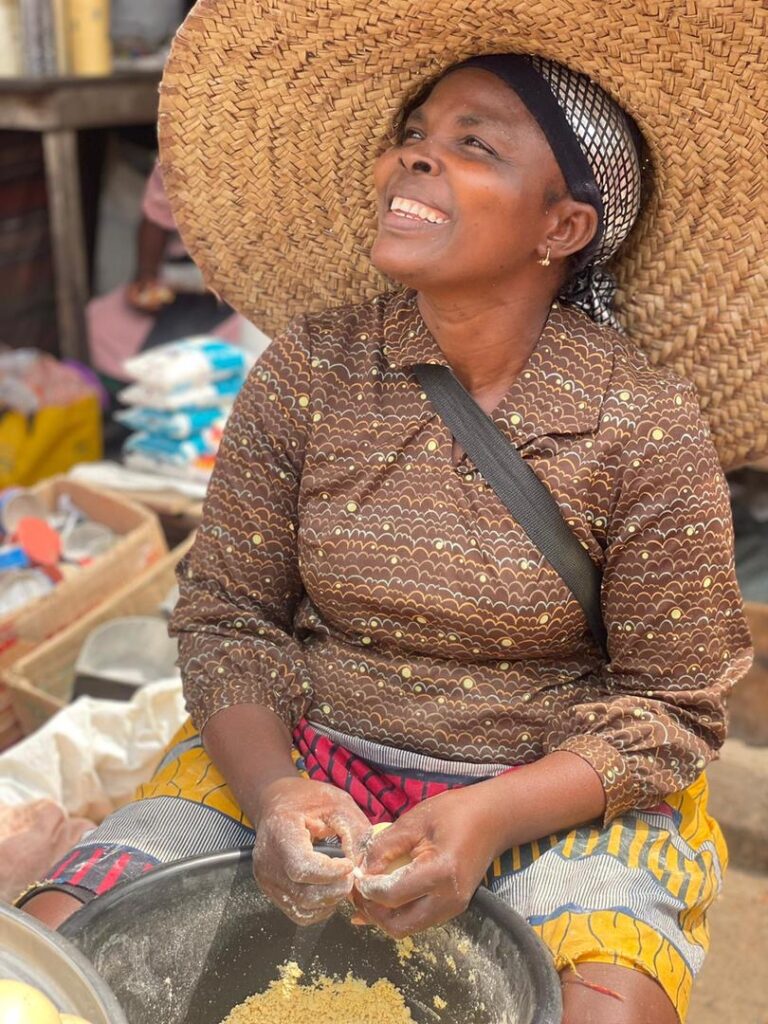
For six years, Mrs. Chidi Ejeh, known in Sabo Market as “the pap woman,” has been keeping her family alive with bowls of yellow and white pap.
“I started because I wanted to help my family,” she said. “You cannot leave everything for your husband. Pap doesn’t need millions to start. With small money, you can begin, and people drink pap every day.”
Her early days were rough. Sometimes the pap soured before it sold. Yet, she persisted.
Her message to young women: “We all have to work. Don’t wait for government jobs. Don’t sell yourself. Start small, even if it is just with little money. You will grow.”
Part Two: The Teacher Who Became a Trader
For Mrs. Oluwatoyin Awosheka, the market was never the dream. A holder of the National Certificate in Education (NCE), she once longed for a government teaching job. When it didn’t come, survival pushed her to the stalls.
With four children depending on her, she started selling kitchen utensils. Fourteen years later, she still stands by her table of plates, pots, and spoons.
“My biggest challenge has always been money. Without capital, there is no business,” she said. “But I could not sit idle because my children need me.”
Her advice to the youth: “Even with ₦10,000, you can start something. Don’t fold your hands and wait.”
Part Three: Iya Iru’s Stubborn Hands
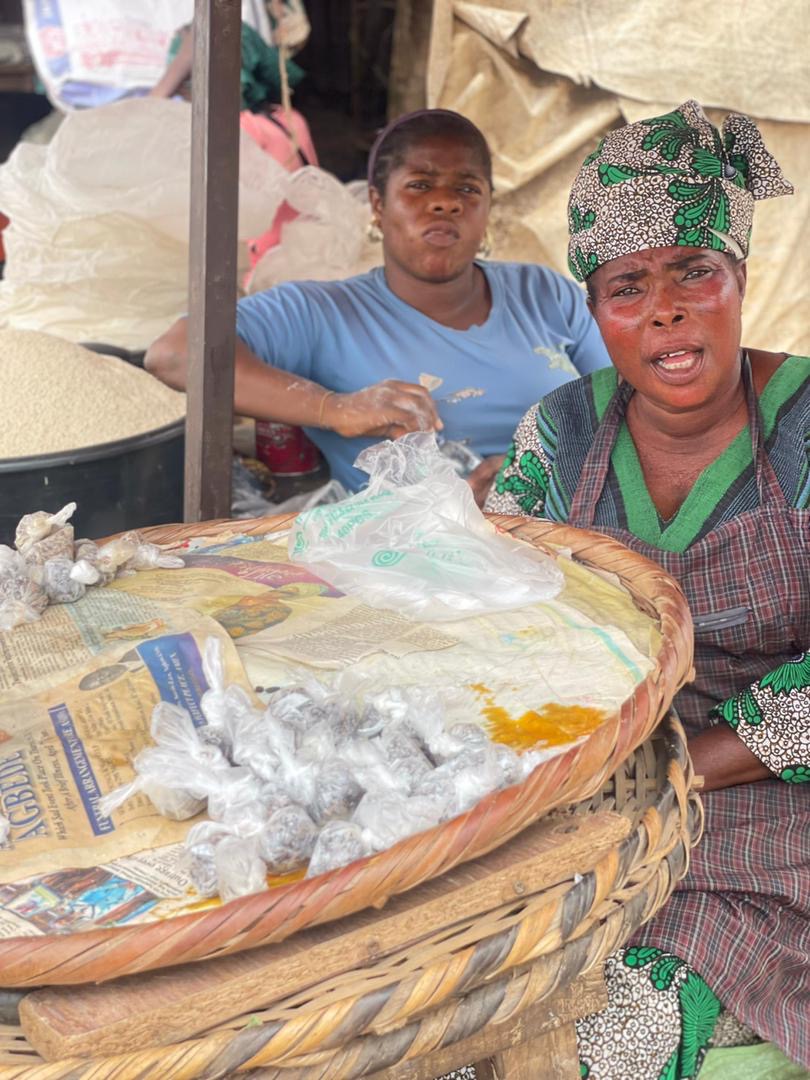
For over 20 years, Iya Iru has sold locust beans by the roadside. Her children beg her to retire, but she refuses.
“They say, ‘Mummy, rest,’ but I tell them before they provide for me, I must have something to stand on,” she said, carefully tying iru in nylon wraps.
Her greatest dream is that her children and grandchildren escape roadside trading: “I want them in offices as lawyers and doctors. Not like me, sitting by the road.”
Her message: “Don’t depend on a man before you eat. Work is dignity.”
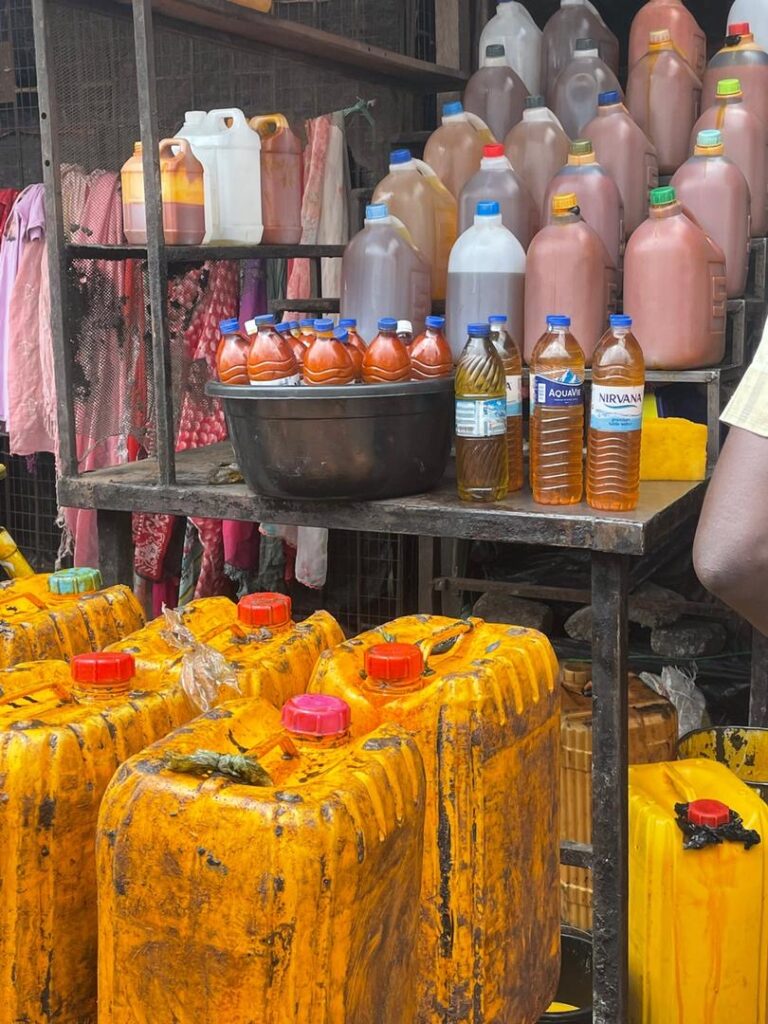
Part Four: The Palm Oil Woman
For Mrs. Elizabeth, palm oil has been both blessing and burden for 20 years.
“There are always trials in business,” she explained. “Sometimes profits are small, sometimes there is shortage. But we cannot panic. We must continue and struggle until success comes.”
To young entrepreneurs, she offers one lesson: “Whatever you do, do it with all your heart. Don’t give up when trials come.”
Part Five: The Graduate Who Choose Family
Once a university graduate working in an office, Mrs. Adeola left her career when motherhood demanded her presence.
“Leaving home at 5 a.m. daily with two small children was impossible,” she said. She quit her job, began selling baby items, and eventually switched to plastics and kitchen utensils — a trade she has sustained for 14 years.
“I changed business because of the economy,” she explained. “Plastics always move. You cannot put food on the ground. You cannot fetch water with your hands.”
Her advice: “Prioritize your life. Nigeria is not smiling. Don’t wait for government to assure you of a job. Find something that sustains you.”
Closing Chapter: The Weight They Carry
Across Sabo Market, the refrain is the same — little capital, heavy burdens, big responsibilities.
Many of these women are mothers and grandmothers, yet they stand as breadwinners in an unforgiving economy.
Bowls of pap, bottles of palm oil, trays of locust beans, or stacks of plastic buckets may seem ordinary, but they are lifelines.