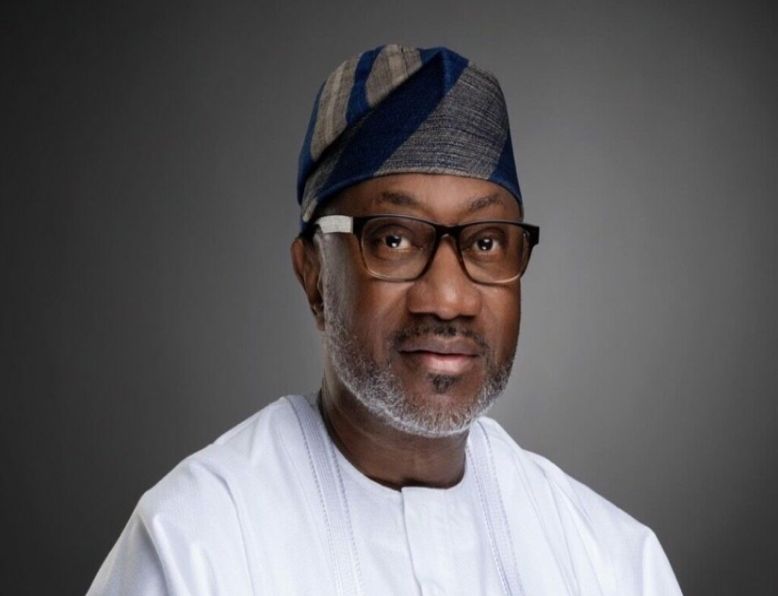
Nigerian billionaire businessman, Femi Otedola, has recounted a fiery confrontation with former President Olusegun Obasanjo over the controversial deregulation of diesel importation in 2004 — a move that saw the former president lash out at him in anger during a 2 a.m. phone call.
Otedola shares the story in his forthcoming memoir titled Making It Big: Lessons from a Life in Business, set for release on August 18, 2025, and published by FO Books.
In excerpts obtained by TheCable, the oil magnate reflects on the backlash that followed the government’s decision to liberalize diesel — a policy he had championed.
At the time, Otedola, who headed Zenon Petroleum, had advised Obasanjo to pull the Nigerian National Petroleum Corporation (NNPC) out of diesel importation, arguing that the private sector could adequately meet national demand without subsidies.
His company quickly became a market leader following the policy shift.But trouble soon followed. Allegations surfaced that diesel was scarce nationwide and that the deregulation move had destabilized the economy.
According to Otedola, these claims reached the president, prompting a furious midnight phone call.“President Obasanjo called me at 2 a.m., shouting, ‘You’re a stupid boy! God will punish you! You persuaded me to deregulate diesel, and now there’s no diesel in the country!’”
Otedola wrote. “He was furious.” The businessman said he flew to Abuja the next day to address the situation directly. But upon arrival, he was met with more rage.“As soon as he saw me, he flew into a rage again. ‘What kind of rubbish is this? What kind of nonsense is this?’ He screamed right in my face.”
Otedola explained that the panic was caused by false reports from his competitors and detractors within NNPC who opposed deregulation and sought to protect their access to fuel subsidies. According to him, the diesel supply was in no jeopardy.
“I told the president they were lying to him. I had six ships waiting to discharge large volumes of diesel. In fact, I was even paying demurrage fees because of delays in offloading.
In a bid to dispel public concern and prove the availability of diesel, Otedola proposed publishing price and supply information on the front pages of national newspapers — a transparency measure aimed at countering the negative narrative.
He described Obasanjo as a strong-willed and decisive leader who was not easily misled once he trusted someone’s intentions. Despite the confrontation, Otedola noted that Obasanjo eventually stood by him and the deregulation decision. “Obasanjo was a determined and robust president. Once he made up his mind that someone was trustworthy and genuine — as he seemed to do about me that day — he stopped listening to the naysayers.”