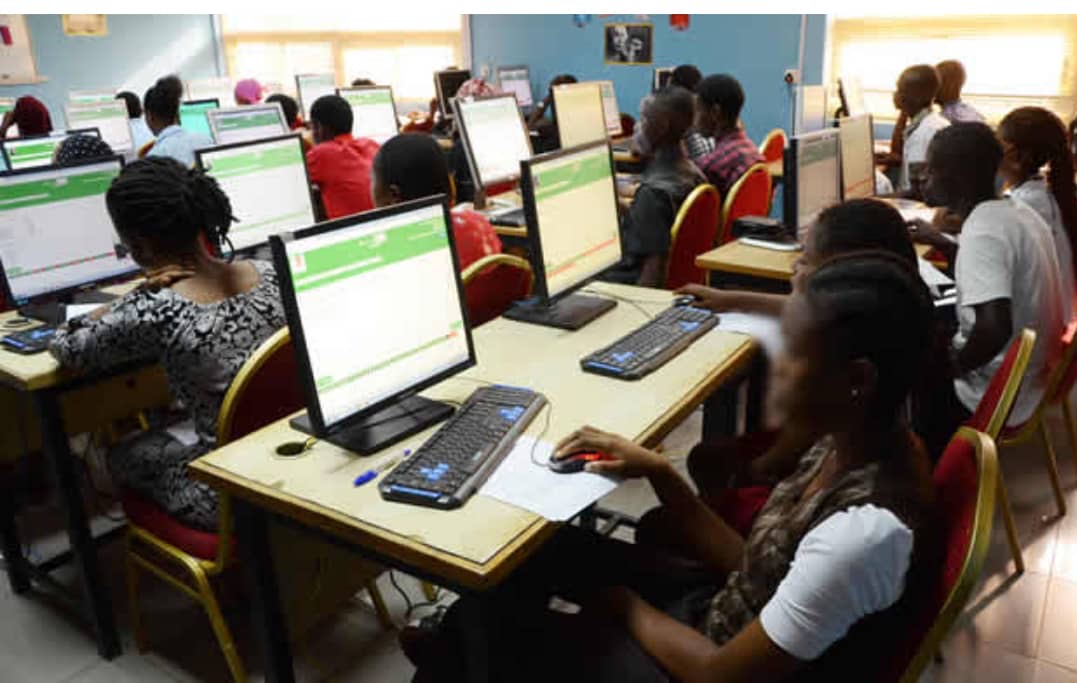
The sudden increase in Post-Unified Tertiary Matriculation Examination (Post-UTME) registration, acceptance, and clearance fees across Nigerian universities has sparked anger among parents, students, and education stakeholders, who describe the charges as exploitative and unfair.
Originally pegged at ₦2,000 by the Federal Ministry of Education, Post-UTME fees now range between ₦5,000 and ₦10,000 or more, depending on the institution.
Beyond that, successful candidates are required to pay non-refundable acceptance fees of ₦50,000 to ₦100,000 before final admission, a situation many families say is pushing higher education beyond their reach.
Despite a directive by former Education Minister Adamu Adamu limiting Post-UTME charges to ₦2,000, many universities, polytechnics, and colleges of education continue to flout the regulation.
Parents also complain about the burden of traveling long distances for screenings, with rising insecurity on major highways adding to the risks. Accommodation and feeding costs further compound the financial pressure.
Mr. Fred Ugochukwu, a parent from Kaduna, recounted how he traveled with his two children to Ilorin for the University of Ilorin’s screening, only for both to fall short of the cut-off mark after heavy spending and days of stress.
For students, the rising costs are equally discouraging. “I almost gave up on my admission because my mother alone caters for me,” said Eniola Abe, an applicant. “Education should not be for only the rich.”
Other parents shared similar frustrations.
Mr. Nusirudeen, who has three children in tertiary institutions, said the new fees were becoming unbearable.
“Last year, I paid ₦2,000 for my son’s screening, but now they are asking for ₦5,000. This doesn’t include transportation, textbooks, and other expenses. Honestly, it feels like the government is pushing education out of the reach of ordinary Nigerians.”
Civil servant Mr. Akinwale Alabi also lamented the rising costs. “I earn less than ₦80,000 a month, and now I have to pay more than ₦15,000 for three of my children to register for Post-UTME.
Education is supposed to be affordable, but what we are seeing is a system that is discouraging parents and students.”
Single mother Mrs. Kemisola shared how she had to borrow money to finance her daughter’s admission process. “The school is charging ₦15,000 for Post-UTME, excluding the cost of traveling there. I even had to borrow money to pay for her JAMB form earlier this year. These rising fees are making education a privilege for the rich.”
Similarly, Mr. Jude, a commercial driver, said he feared his son’s dream of becoming an engineer might be cut short. “He passed JAMB with a good score, but the Post-UTME fee is so high that I don’t know how we will afford it.
“We also have to consider accommodation and feeding during the exam. It is painful because our children are willing to study, but the financial burden is too much.”
Mrs. Grace Okoro a teacher also said
“As a teacher, I know how important education is for our children’s future. But this increase in Post-UTME fees is frustrating. The government should step in to regulate these charges. Many of my colleagues and I are already struggling to pay school fees for our children, and now we are facing additional costs just to register them for an exam.The government should intervene. With the high cost of living, it’s unfair that more money is still being added to the UTME form fees.”
Education stakeholders have joined in the call for urgent reforms. The president of the National Parent Teacher Association of Nigeria (NAPTAN), Prof. Boniface Odeh, stressed that while Post-UTME remains an important tool for screening candidates, the prevailing economic hardship demands a review of the system.
“With the current realities, high acceptance and clearance fees should be scrapped, and Post-UTME charges should be standardized across institutions,” Odeh said. He also urged schools to adopt online screening methods to reduce travel risks for parents and students.